
Discovering the Unique Sherpa Traditions in Himalayas
- Apurba Bhatta
- Jan 23
- 4 min read
When I first set foot in the high mountains of Nepal, I was captivated not only by the breathtaking landscapes but also by the rich culture that thrives in these rugged terrains. Among the many fascinating communities, the Sherpas stand out with their unique traditions, resilience, and warm hospitality. Exploring the Sherpa traditions in the Himalayas opened my eyes to a world where nature and culture blend seamlessly, creating an experience that goes beyond trekking.
Embracing Sherpa Traditions in Himalayas
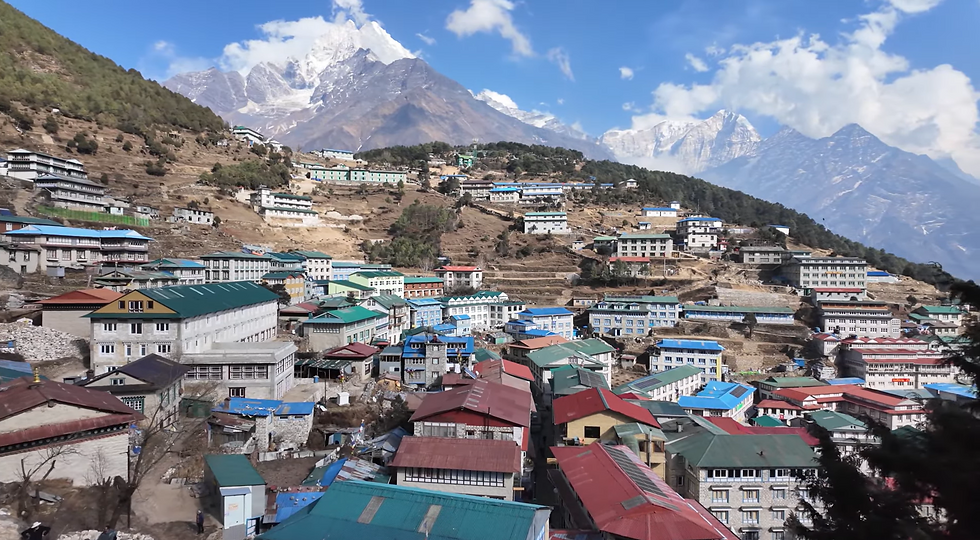
The Sherpa people have lived in the Himalayan region for centuries, adapting to the harsh environment with remarkable strength and grace. Their traditions are deeply rooted in Tibetan Buddhism, which influences their daily lives, festivals, and rituals. When you visit a Sherpa village, you’ll notice prayer flags fluttering in the wind, mani stones carved with sacred mantras, and monasteries perched on hillsides.
One of the most beautiful aspects of Sherpa culture is their celebration of festivals like Losar, the Tibetan New Year. During Losar, the entire community comes alive with vibrant dances, traditional music, and feasts. It’s a time of renewal and gratitude, where locals honor their ancestors and pray for a prosperous year ahead.
If you’re trekking through the Everest region, take time to visit a Sherpa home. You’ll be welcomed with butter tea, a warm and salty drink that fuels the body against the cold. Sharing a meal or a conversation with Sherpas offers a glimpse into their values of community, respect, and harmony with nature.
Are Sherpas Nepalese or Tibetan?
This question often arises among travelers curious about the Sherpa identity. The Sherpas originally migrated from eastern Tibet to Nepal over 500 years ago. Today, they are recognized as an ethnic group within Nepal, holding Nepalese citizenship and contributing significantly to the country’s cultural mosaic.
While their language, customs, and religious practices closely resemble those of Tibetans, Sherpas have developed a distinct identity shaped by their life in the Himalayas. Their adaptation to high altitudes and expertise in mountaineering have made them legendary guides and climbers worldwide.
Understanding this dual heritage enriches your appreciation of Sherpa culture. It’s a blend of Tibetan roots and Nepalese belonging, creating a unique cultural tapestry that thrives in the mountains.
The Role of Sherpas in Himalayan Expeditions
No discussion about Sherpa culture would be complete without acknowledging their vital role in Himalayan expeditions. Sherpas are renowned for their unmatched skills as mountaineers and guides. Their knowledge of the terrain, weather patterns, and survival techniques is invaluable for anyone attempting to conquer peaks like Everest.
Beyond their physical prowess, Sherpas embody a spirit of generosity and teamwork. They often carry heavy loads, set up camps, and ensure the safety of climbers, all while maintaining a humble and cheerful demeanor. Their contribution has been crucial in making high-altitude trekking accessible and safer for adventurers worldwide.
If you’re planning a trek, consider hiring Sherpa guides and porters. Not only will you benefit from their expertise, but you’ll also support local communities and sustainable tourism practices that respect the environment and culture.
A

Preserving Sherpa Culture in a Changing World
Like many indigenous cultures, Sherpa traditions face challenges from modernization and tourism. However, the community is actively working to preserve their heritage while embracing positive change. Education, sustainable tourism, and cultural festivals play a key role in this effort.
Local organizations and trekking companies promote responsible travel that respects Sherpa customs and the fragile mountain ecosystem. Visitors are encouraged to learn about the culture, support local businesses, and minimize their environmental impact.
One practical way to engage is by participating in cultural tours or homestays. These experiences allow you to witness traditional crafts, listen to folk stories, and understand the spiritual connection Sherpas have with their land.
By choosing ethical trekking options, you contribute to the preservation of the Sherpa way of life and help ensure that future generations can continue to share their rich traditions with the world.
Experiencing Sherpa Culture in Nepal Firsthand
If you want to dive deeper into the sherpa culture in nepal, plan your journey with an open heart and curiosity. Trekking through the Everest region is not just about reaching the summit; it’s about connecting with the people who call these mountains home.
Here are some tips to make the most of your cultural immersion:
Learn basic Sherpa greetings - A simple “Tashi Delek” (hello) goes a long way in building rapport.
Respect local customs - Always ask before taking photos, especially inside monasteries or homes.
Try traditional foods - Dishes like momo (dumplings) and thukpa (noodle soup) offer a taste of Sherpa hospitality.
Attend local festivals - Check the calendar for events like Mani Rimdu, a vibrant religious festival with masked dances.
Support local artisans - Purchase handmade crafts and souvenirs directly from Sherpa communities.
By embracing these practices, you’ll create meaningful memories and contribute positively to the communities you visit.
Exploring the Sherpa traditions in the Himalayas is a journey of discovery, respect, and inspiration. Their culture teaches us resilience, harmony with nature, and the power of community. Whether you’re trekking the trails or simply learning from afar, the Sherpa spirit leaves a lasting impression that enriches every adventure.


Comments